Why an art education matters for children in Moscow
Art classes teach more than technique — they develop fine motor skills, visual thinking, emotional expression and cultural awareness. In Moscow, children can benefit from rich local resources (museums, galleries, studio communities) alongside formal and informal art education. Whether you aim to nurture a hobby or prepare a future portfolio for art college, a good program and the right materials make the difference.
What to know before buying supplies
Start simple, safe and age-appropriate. You do not need the most expensive brands for early development, but quality matters for brushes and paper.
— Essentials for beginners
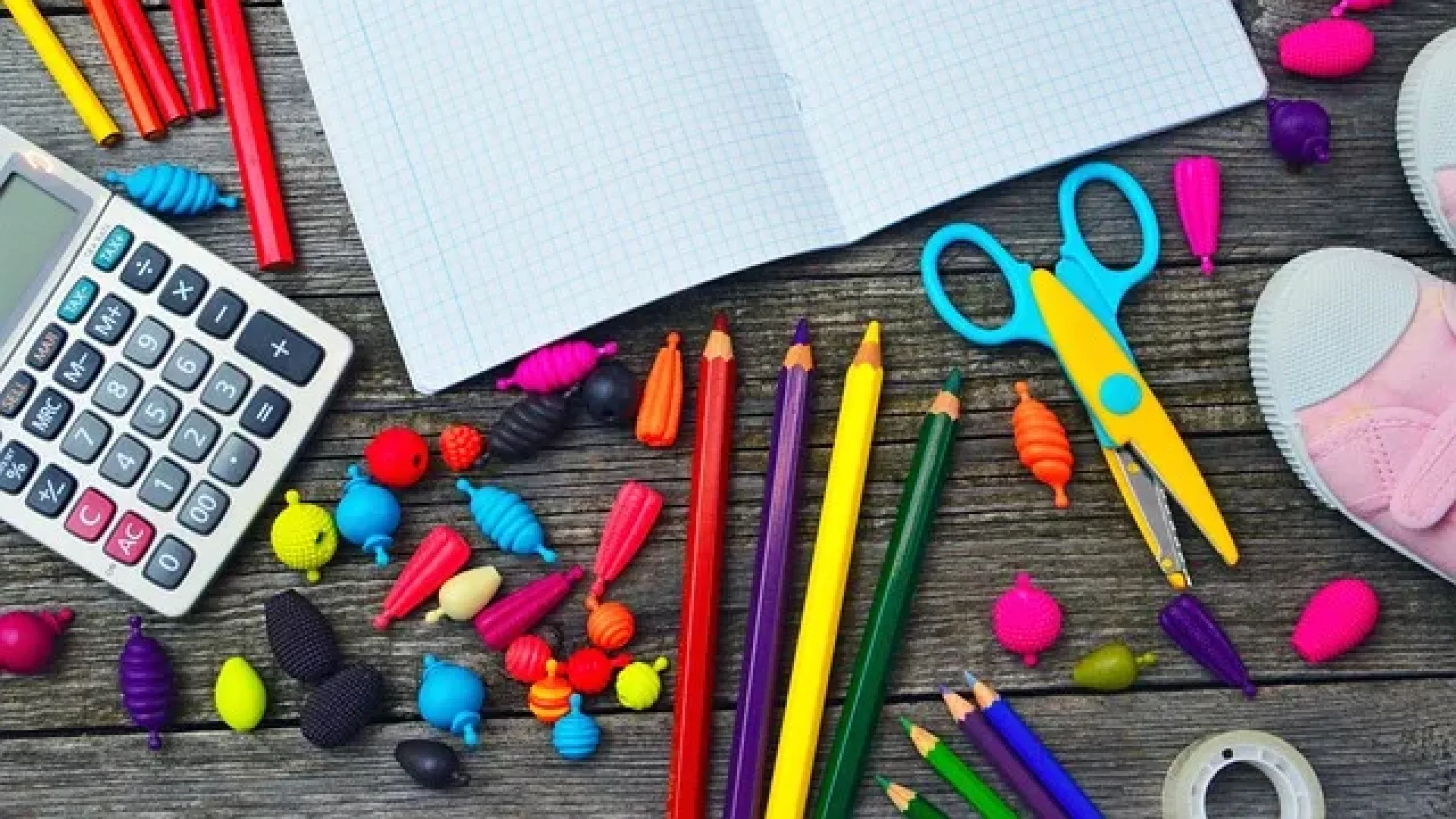
— Sketch pencils (HB, 2B, 4B), good eraser, pencil sharpener
— Sketchbook (90–160 g/m²), separate watercolor or mixed-media pad (200–300 g/m²) if needed
— Watercolors or gouache (non-toxic set for children) and a plastic palette
— Acrylics for older kids (6+) if classes use them
— Basic brush set: synthetic brushes for acrylic/gouache, soft round brushes for watercolor
— Child-safe scissors, glue stick, simple modeling clay
— Apron or smock and washable table cover
— When to invest in higher-quality items
— Paper: heavier watercolor or drawing paper noticeably improves results
— Brushes: good synthetic or natural-hair brushes hold paint and last longer
— Easel: small tabletop easel for home practice if space allows
— Brands and where to look (Moscow-oriented tips)
— Look for reputable Russian and international brands in Moscow art shops and online marketplaces. In Russia you’ll commonly find Nevskaya Palitra (e.g., White Nights watercolors), Gamma (children’s paints and supplies), plus international names like Faber-Castell, Daler-Rowney and Koh‑i‑Noor.
— Buy consumables locally (paper, paints) and test brushes in-store if possible. Search “художественные магазины Москва” or use major Russian online retailers for quick comparison.
— Safety & storage
— Choose non-toxic, washable paints for very young children.
— Store solvents and sharp tools out of reach.
— Keep consumables in labeled boxes so the child learns care and tidiness.
How to choose the right course in Moscow
Compare programs on structure, teacher quality, outcomes and convenience.
— Decide your goal
— Creative play and motor skills (preschool)
— Technical drawing and painting (primary school)
— Portfolio preparation for art colleges or deeper study (teens)
— Hobby vs. competitive track (exhibitions, contests)
— Types of courses
— Municipal Children’s Art Schools (Детская художественная школа): often structured, progressive, affordable
— Private studios and ateliers: flexible schedules, smaller groups, often project-based
— Specialized intensive courses: portfolio prep, summer camps, masterclasses
— Online classes and hybrid options: convenient for busy schedules or long-distance families
— Key questions to ask before enrolling
— What is the teacher’s education and experience with children?
— Class size and age range — are groups mixed or age-specific?
— Curriculum: is there a road map of skills across the year?
— How often and how long are lessons? (Weekly 60–90 min is common)
— Are materials included or should parents provide them?
— Do students get opportunities to exhibit work or participate in competitions?
— Is there a trial lesson or refund policy?
— How is safety handled (first aid, child pick-up)?
— Practical considerations in Moscow
— Location and travel time: proximity to a metro station can be crucial in busy city life
— Schedule: after-school slots and weekend classes are popular
— Price model: monthly subscriptions, per-term payments, or pay-as-you-go workshops
Evaluating teachers and curriculum
— Teacher credentials: art education, pedagogical training or long experience teaching children
— Balanced lessons: technical practice (line, tone, color) + creative projects and art appreciation
— Progress tracking: portfolios, photo documentation, teacher feedback
— Cultural integration: classes that use local museums (Tretyakov Gallery, MMOMA) for inspiration add value
Training paths and progression
— Typical progression for a child starting at 6–7 years: