Why an art school matters for your child in Moscow
Art education builds observation, fine motor skills, emotional expression and creative thinking. In Moscow, children’s art schools (детские художественные студии и ДШИ) range from public municipal programs to private studios and specialized preparatory courses for art colleges. Choosing the right option and the right materials will help your child enjoy learning and grow artistic skills sustainably.
Quick overview: types of art programs
— Municipal children’s art schools (ДШИ): structured curricula, steady progression, public rates, often with performance exhibitions and state-recognized diplomas.
— Private studios and ateliers: more flexible programs, smaller groups, project- and portfolio-focused; often hold exhibitions and family events.
— Preparatory courses for art colleges/secondary schools: intensive training in drawing, compositional studies, live model work and portfolio development.
— One-off masterclasses and holiday camps: focused topics (animation, sculpture, comics) — good for testing interests.
— Online/hybrid programs: useful for supplementary practice, technique demos and homework reviews.
How to choose the right course (checklist for parents)
— Age and goals: are you enrolling for fun, general development, or art‑school preparation?
— Teacher qualifications: degree, portfolio, experience working with children; ask to see examples of student work and outcomes.
— Class size: smaller groups (6–12) allow more individual attention; very large classes reduce feedback.
— Curriculum and progression: look for a structured plan with clear milestones (composition, perspective, color theory, anatomy, media exploration).
— Trial lesson: always try a single session before committing.
— Schedule and location: proximity to home/school and realistic schedule for your family.
— Price and contract: ask about makeup lessons, semester length, material fees and exam/competition preparation extra costs.
— Exhibition and portfolio opportunities: does the studio organize shows, competitions, or portfolio reviews?
— Safety & child-friendly space: ventilation, non-toxic materials, child-sized furniture, first-aid kit.
— Reviews and references: parent groups, local forums, and social media pages can reveal real experiences.
Typical Moscow prices (estimates)
— Group weekly classes (1–2x/week): 4,000–15,000 RUB/month depending on studio and location.
— Private lessons: 1,500–5,000 RUB per hour.
— Intensive/prep courses: 10,000–35,000+ RUB/month (depending on frequency and teacher).
Note: prices vary widely by district (central Moscow tends to be pricier).
Choosing materials: what to buy first and where to save vs invest
Smart buying balances quality, safety and cost.
Essentials to start:
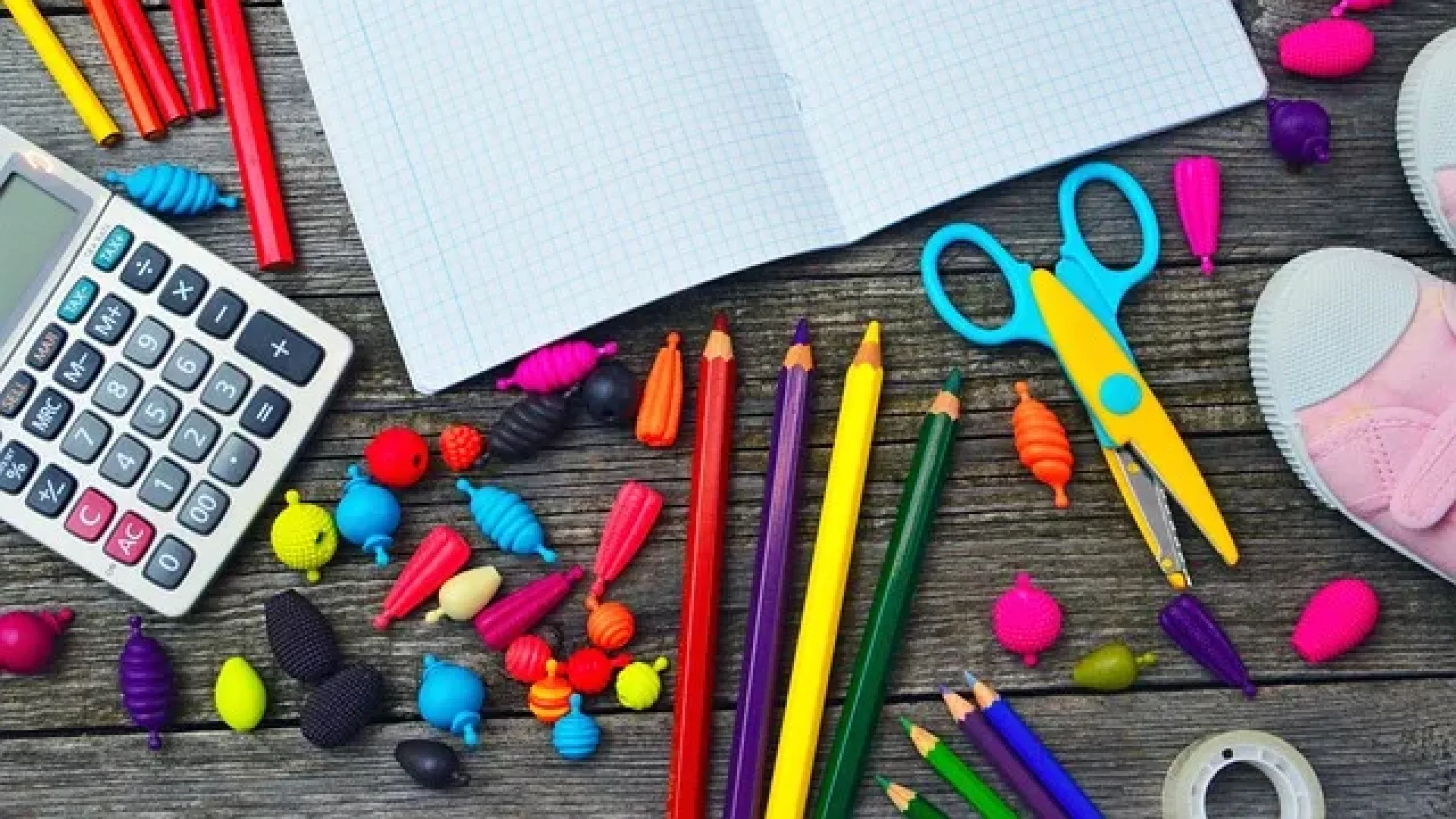
— Sketching pencils: HB, 2B, 4B, 6B — student-grade from Faber-Castell or Staedtler.
— Erasers: soft gum and kneaded eraser.
— Sharpener: metal, reliable.
— Sketchbook: heavier paper (120–160 gsm) for mixed media practice; 80–100 gsm for quick pencil work.
— Watercolor set or gouache starter set: student-grade White Nights (Nevskaya Palitra), Daler‑Rowney, or local student brands.
— Tempera or acrylic starter set: good for kids’ projects (non-toxic, washable options).
— Brushes: a few round and flat synthetic brushes in small and medium sizes; invest in one good sable/synthetic blend for watercolor if child progresses.
— Palette, water jars, masking tape, basic ruler, scissors, glue stick.
Where to invest:
— Paper quality: good paper significantly affects results; buy better watercolor or mixed-media pads when painting regularly.
— Pigments for older children: artist-grade paints have better lightfastness and mixing behavior — useful for portfolio work.
— One reliable full-size brush or a set of decent synthetic brushes.
Where to economize:
— Bulk craft supplies (glue, cheap tempera for messy play, construction paper, basic crayons).
— Starter sets that include many colors — OK at the beginning, but consider buying individual tubes later.
Where to buy in Moscow:
— Specialized art stores and chains (local art supply stores in central districts) for hands-on comparison.
— Online marketplaces: Ozon, Wildberries, Yandex.Market carry wide ranges and customer reviews.
— Museum shops and gallery stores sometimes stock curated artist materials and kids’ kits.
— Local studio recommendations — many studios sell curated starter kits for enrolled students.
How to review new art products (quick testing guide)
— Safety: check for non-toxic labels (EN71, ASTM D‑4236 where applicable), especially for young children.
— Smell and washability: test a small sample — strong chemical odor suggests avoid for kids.
— Pigment and opacity: swatch colors to check coverage and mixing behavior.
— Lightfastness: for long-term projects, ask about lightfast ratings or choose reputable brands.
— Brush handling: test for spring (rebound), tip retention and hair shedding.
— Paper tooth and weight: crumple/tear test and try wetting to see buckling for watercolor paper.
— Cost-per-use: consider how much paint you’ll