Introduction
Enrolling a child in an art school is one of the best ways to grow creativity, fine motor skills and confidence. In Moscow you have a wide spectrum of options — municipal Детские школы искусств (ДШИ), private studios, museum programs and online courses. This guide helps parents pick supplies, evaluate schools and build a practical training plan so a child’s art practice is safe, enjoyable and effective.
Quick overview: what to decide first
— Purpose: *hobby*, after‑school activity, or *portfolio prep* for specialized art lyceums.
— Age and attention span: classes and materials differ for 4–6, 7–10, 11+.
— Format: in‑person (studio or municipal), museum programs (Tretyakov, Pushkin, Garage), or online/hybrid.
— Logistics: proximity to a Metro station, class schedule vs. family routine, and price.
Buying art supplies: by age and goals
General principles:
— Prioritize non-toxic, washable products for younger kids.
— Start simple; upgrade to higher‑quality materials as skills develop.
— Keep a basic home kit plus a “school” kit if the studio requests special items.
Recommended starter kits
— Ages 3–6 (sensory play, first drawing):
— Washable finger paints or tempera, large paper pads, broad crayons, thick brushes, sponges.
— Safety: non-toxic, washable labels.
— Ages 7–10 (basic technique, color mixing):
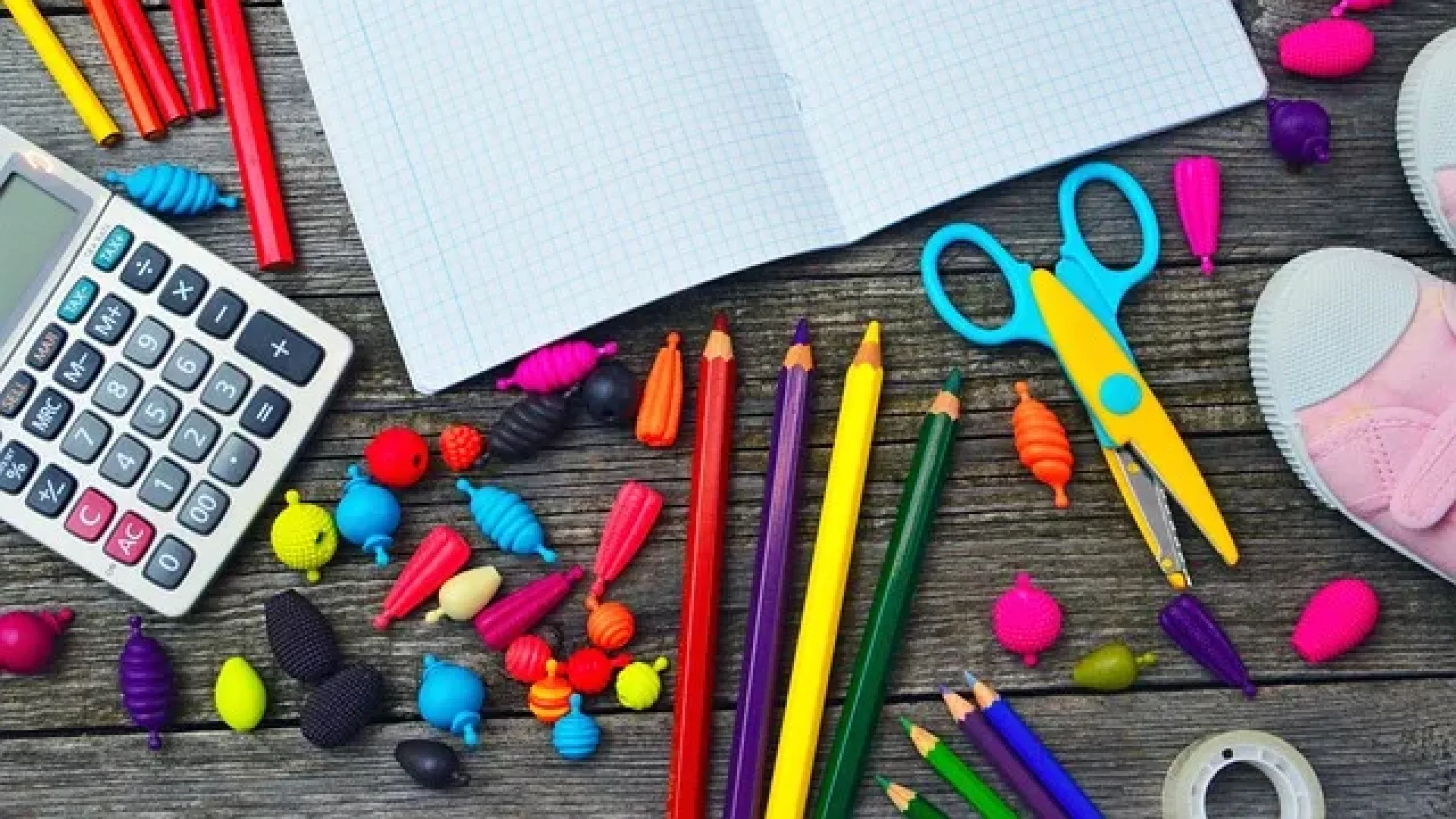
— Watercolor set (student quality), gouache or tempera tubes, set of synthetic brushes (round + flat), HB/2B pencils, kneaded eraser, A4/A3 sketchbook, colored pencils, scissors, glue stick.
— Ages 11+ (serious practice / portfolio building):
— Better watercolor or student gouache, acrylic starter set (or oil paints with supervision), variety of brushes, graphite pencil set (HB–6B), charcoal, pastel set (soft + oil), quality sketchbooks (A3), fixatives, palette, canvas pads or stretched canvas.
— Digital track:
— Beginner pen tablet (Wacom Intuos / XP‑Pen / Huion), basic drawing software (free options: Krita, Autodesk Sketchbook).
Core items (buy once or upgrade):
— Brushes: synthetic for watercolor/gouache, firmer for acrylics.
— Paper: watercolor paper 200 g/m² for water-based media; cartridge/pencil paper for drawing.
— Mediums: palette, mixing cups, apron, masking tape.
Approximate price expectations (Moscow): starter kits from low‑budget 800–2,500 ₽, mid‑range 3,000–8,000 ₽; brand quality and size vary. Online marketplaces (Ozon, Wildberries, Yandex.Market) and chains like Леонардо (Leonardo) carry a wide range.
Where to buy in Moscow
— Large chains and craft stores: Леонардо, Art Materials shops in central districts.
— Specialty art stores: stock better paints, papers, professional brushes. Look for stores near major art schools or in Tverskoy/Arbat.
— Online: Ozon, Wildberries, Yandex.Market for fast delivery and price comparison.
— Local markets: sometimes cheaper supplies, but check non‑toxic labels.
— Museum shops: often good for inspiration and higher‑quality sketchbooks.
Recommended brands (student → pro): ГАММА, Луч (Russian student lines), Faber‑Castell, Staedtler (drawing), Winsor & Newton / Royal Talens (paints), Wacom/XP‑Pen/Huion (tablets). Verify non‑toxic certification for children.
How to choose a course or school
Key selection criteria:
— Curriculum and goals: structured progression, demonstration of outcomes (exhibitions, competitions, portfolios).
— Teacher qualifications: art education degrees, teaching experience with children, sample lesson or observation allowed.
— Class size: ideally 6–12 for individual attention